Home › Bilingual Parenting Strategies › Starting Late
Know · Strategies
Starting Late: Can You Still Raise a Bilingual Child at Age 5, 7, or 9?
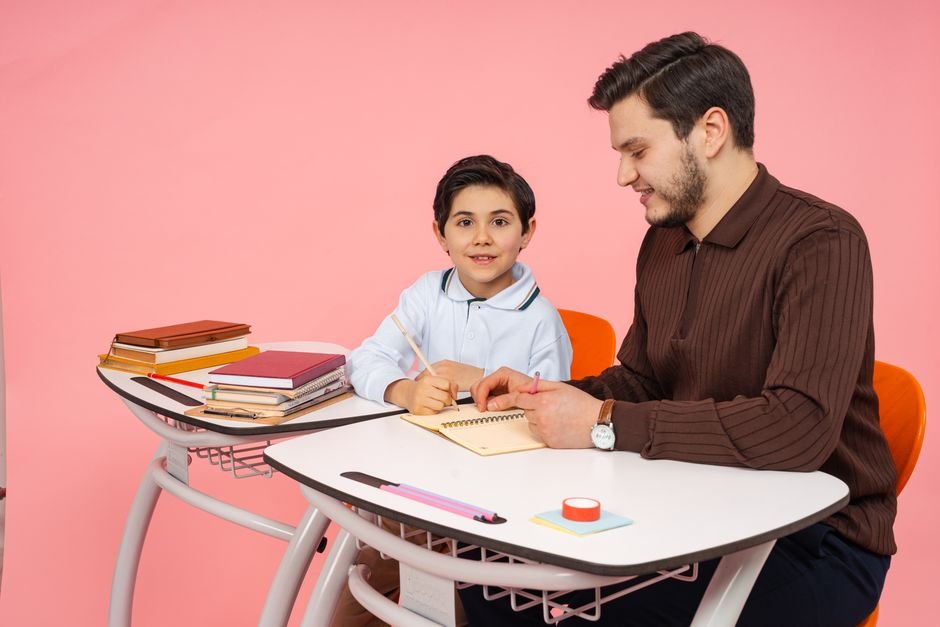
Photo by Ahmet Kurt on Pexels
A reader emailed me last month convinced she'd "missed the window" because her son was already seven and hadn't been raised bilingual from birth. She'd read that the ideal age to start is before three, decided seven was hopeless, and nearly gave up before trying. She hasn't given up, and eight months in, he's making real progress.
The "critical window" for language acquisition is real in the research, but it gets quoted with far more confidence — and far more finality — than the evidence actually supports, especially for families starting later than the ideal.
What the Critical Window Actually Says
The research behind the "critical period" for language acquisition mostly concerns native-like pronunciation and certain deep grammatical intuitions — not the ability to become genuinely fluent and comfortable in a second language. Those two things get conflated constantly in casual advice, and the conflation causes a lot of unnecessary despair in parents who didn't start at birth.
Older children can absolutely reach strong conversational fluency, read and write competently, and use a language confidently throughout their lives, even starting well past toddlerhood. What tends to be harder to achieve later is an accent indistinguishable from a native speaker's — which, for most families' actual goals, isn't the priority anyway.
What Genuinely Gets Harder With Age
- Native-like accent becomes harder to acquire the later a child starts, though a noticeable accent is rarely a real barrier to communication or confidence.
- Some deep grammatical intuitions — the kind that let a native speaker "just know" something sounds wrong without being able to explain why — are easier to absorb younger, though older learners can still master the grammar explicitly.
- Motivation management shifts from "this is just how our family talks" to something an older child can consciously question or resist, which needs a different approach than toddler-era immersion.
What Gets Easier
Older learners bring real advantages: they can be told why the effort matters, they can read and use apps or structured lessons independently, they learn faster from explicit grammar explanations, and they can be motivated by things they already care about — a favorite show, a family trip, a friendship.
A seven-year-old starting from near-zero can, with consistent exposure, often catch up meaningfully within a couple of years — faster in some respects than a toddler, precisely because they can engage with the language more deliberately.
How to Restart a Language That's Gone Quiet
- Start with output, not perfection. Encourage any use of the language, even broken sentences, rather than waiting for confidence to build silently first.
- Reintroduce a consistent source. The same principle from earlier posts applies here — pick one reliable person, program, or routine and protect it.
- Give them a real reason. A relative to talk to, a show they're excited about, a trip on the calendar — motivation matters more for older kids than for toddlers.
- Expect a slower, more visible start. Unlike toddlers who absorb quietly, older kids often show more visible early struggle — that's normal, not a sign it isn't working.
Once you've restarted, protect it with a routine
The weekly schedule post applies just as well to families starting later as it does to those starting from birth.
FAQ
No. Strong conversational fluency and literacy are both achievable starting well past early childhood, even if a fully native-like accent becomes harder to acquire.
Possibly not with a completely native accent, though many late starters get remarkably close with sustained practice. For most families, fluency and comfort matter far more than accent.
It varies by exposure and motivation, but meaningful conversational progress within one to two years of consistent exposure is realistic for many older children.
A mix tends to work well — older kids benefit from explicit grammar instruction in a way toddlers don't, but real conversational exposure is still what builds comfort and fluency.
Yes — children who were exposed earlier and then lost the language typically relearn it faster than starting completely from scratch, even if it doesn't feel that way at first.
Ready to build the routine that supports a restart?
The same weekly schedule principles apply whether you're starting at 1 or 9.
Read the weekly schedule