Home › Bilingual Parenting Strategies › After School Starts
How-to · Strategies
How to Keep the Minority Language Alive Once School Starts

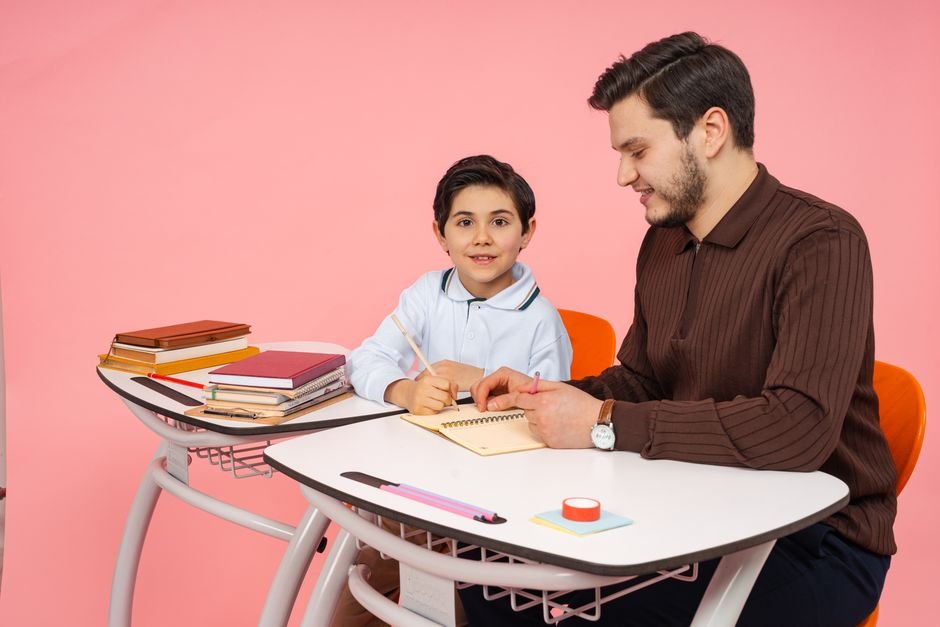
Photo by Atlantic Ambience on Pexels
Our daughter's minority-language vocabulary had been growing steadily for years. Then she started kindergarten, and within about six weeks I noticed she'd started narrating her own play in the majority language — something she'd never done before. School hadn't erased anything, but it had very quickly become the loudest voice in her day.
This is the adjustment most bilingual families underestimate: not that the minority language disappears once school starts, but that it needs active, specific defense against a much bigger share of a child's waking hours suddenly belonging to someone else's language.
Why School Changes the Balance So Fast
Before school, most of a child's waking hours are still shaped largely by their parents' choices. School flips that ratio almost overnight — suddenly six or seven hours a day belong to teachers, peers, and a curriculum entirely in the majority language, with the minority language squeezed into evenings and weekends.
It's not just the hours, either. School introduces new social pressure to communicate quickly and fit in, which nudges kids toward whichever language feels most efficient among friends — usually the majority one.
What to Do Before School Starts
- Build vocabulary ahead of the topics school will cover. Numbers, colors, days of the week, classroom objects — giving a head start in the minority language before school introduces them in the majority one helps both languages develop rather than one overtaking the other.
- Strengthen the anchors that don't depend on school hours. Bedtime stories, weekend mornings, family calls — the routines least affected by the new schedule are worth reinforcing before the transition, not after.
- Look into minority-language options nearby. Weekend schools, community programs, or even a single bilingual friend group can offset some of what daily school hours will otherwise dominate.
What surprised me most: the vocabulary head start mattered less than I expected. What mattered more was simply protecting the existing evening and weekend anchors without letting them quietly slip once mornings got busier.
What to Adjust Once It Has
If you notice the shift already happening — more majority-language narration, more code-switching, more resistance to the minority language in general — the response isn't to add pressure, but to add deliberate minority-language-only time that competes directly with school's dominance rather than trying to out-argue it in the moments school already owns.
A weekly minority-language activity your child genuinely enjoys (a class, a friend group, a hobby conducted entirely in that language) tends to work better than simply asking for more effort at home, since it gives the language its own social context outside the family.
If refusal shows up around this time, it's common
See specific responses to language refusal, which often coincides with the start of school.
FAQ
It varies, but many families notice a meaningful shift within the first couple of months, simply because school occupies so many of a child's waking hours.
It can help, especially if teachers understand that any gaps in the majority language reflect bilingual development, not a general delay.
For many families, yes — it gives the minority language its own dedicated social space, which becomes more valuable once weekday school dominates.
Most research doesn't support a general academic disadvantage from bilingualism; any early gaps in one language tend to close as overall language skills develop.
It adds complexity, but the same principles apply — protect deliberate time for each language rather than letting the busiest one dominate by default.
Noticing early signs of resistance?
See specific, tested responses to language refusal as school starts taking over the day.
Read the next post